Moon landing timeline shifts again
NASA has adjusted how spacecraft will meet in space, aiming to keep the 2028 lunar landing target on track.
By Jasmine Coleman ·
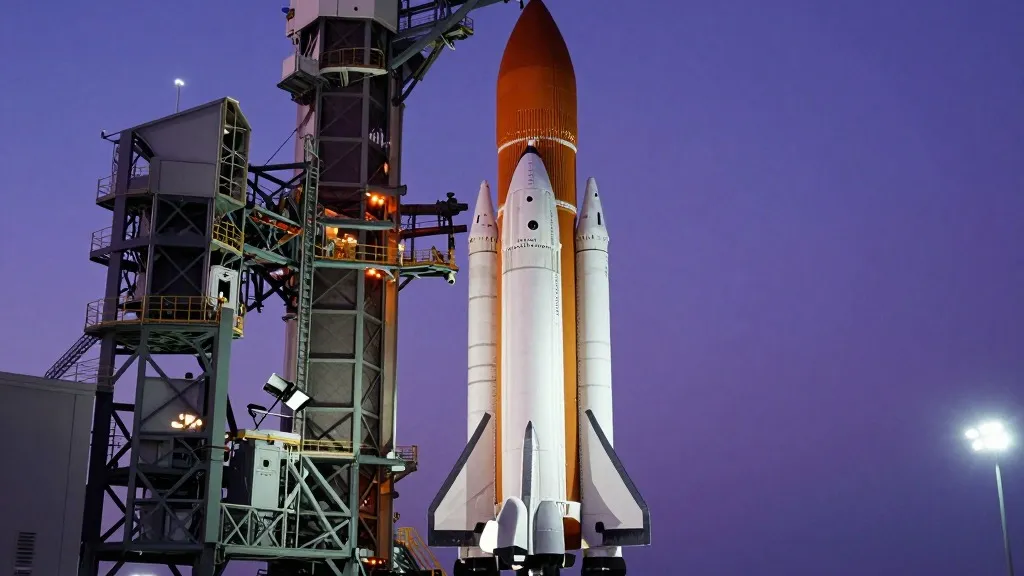
For space fans and taxpayers waiting for a return to the Moon, the plan has just changed. NASA revealed new details on Friday about how it intends to get astronauts back to the lunar surface by 2028. The agency confirmed that the specific way rockets and capsules will connect in space has been revised. These changes are designed to simplify the process for the private companies building the hardware.
The first major adjustment involves SpaceX. Under the new rules, the Orion spacecraft will now dock with the Starship lunar lander in high-Earth orbit. This happens before the vehicles travel to the Moon. Previously, the plan required a more complex meeting point near the lunar orbit. That older method demanded more energy and caused technical headaches for engineers. By moving the docking closer to Earth, the mission becomes more straightforward.
Blue Origin is facing a different set of changes. The agency outlined a plan that uses four launches of the New Glenn rocket. This new architecture removes the need for the spacecraft to refuel each other in space. That simplifies the operation significantly. Additionally, the Blue Moon lander may now rendezvous with Orion in low-Lunar orbit. This offers a new operational flexibility that was not part of the earlier designs.
NASA officials say the schedule remains aggressive but possible. The Artemis III mission is still targeted for a launch in the summer of 2027. This mission will serve as a test. It involves docking with both the Blue Moon and Starship vehicles near Earth. No one will land on the Moon during this flight. It is a dress rehearsal. The actual landing mission, Artemis IV, is still tracking for a 2028 launch. That is when boots will finally touch the ground again.
NASA Administrator Jared Isaacman spoke to the confidence in the new plan. He stated, “This is an achievable path we are on right now. We have the mandate, we have the resources, and the support from our stakeholders to be able to execute, and that’s what we intend to do.” His comments suggest the agency believes the revised architecture removes enough friction to make the dates realistic.
The shift in strategy reflects a broader effort to streamline the program. Leaders at NASA have reviewed every part of the Artemis Project. They are making changes where they can help the lander companies work faster. The goal is to accelerate development without losing safety. It is a bold move to keep the timeline tight while addressing known engineering difficulties.
Context from earlier this year helps explain the SpaceX change. In early 2026, SpaceX engineers met with NASA officials. They asked to remove the requirement to dock in a specific orbit around the Moon. That orbit, known as a near-rectilinear halo orbit, was difficult to reach. It required significant fuel and complex maneuvers. When NASA canceled the Lunar Gateway project earlier this year, it inadvertently solved this problem for SpaceX. The cancellation removed the need for that specific orbital path.
The outlook for the next few years is clear. The next two years will be critical for testing and integration. The 2027 demo mission must go well to keep the 2028 landing on track. If the new docking procedures in Earth orbit work smoothly, the path to the Moon becomes less risky. The agency is betting that simpler connections in space will lead to a faster and more reliable return to the lunar surface.
Source: Ars Technica