Nvidia CEO's Viral Duck Demo Sparks 20,000 Preorders
A playful moment at a tech conference has turned a small robotic duck into a potential holiday sensation, with orders surging after the chief executive demonstrated the device.
By Kavya Kapoor ·
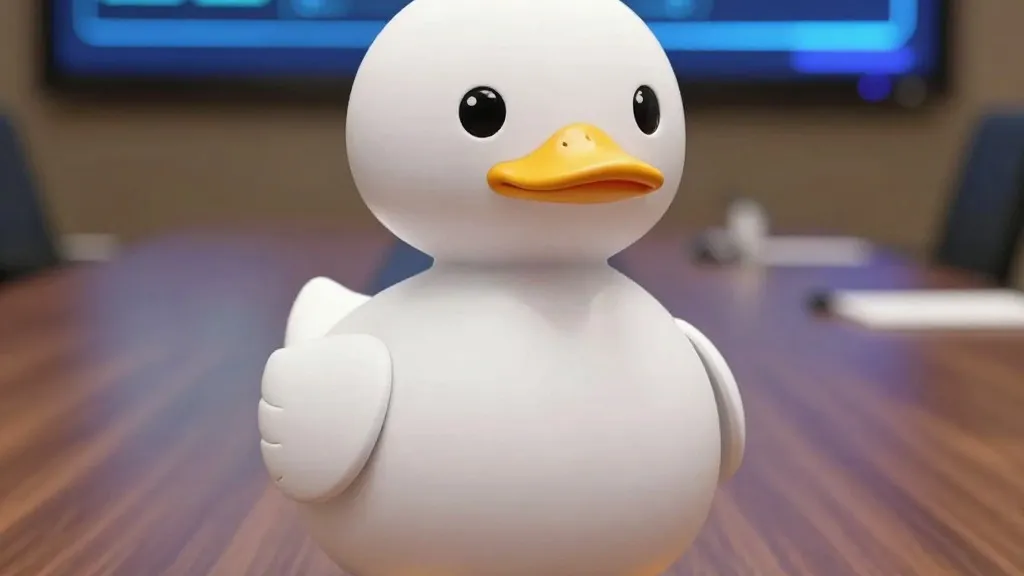
The artificial intelligence sector is currently grappling with a wave of security concerns, yet one moment of pure whimsy has cut through the tension. During a keynote address at the GTC Berlin conference earlier this week, Nvidia chief executive Jensen Huang took the stage not with a complex algorithm, but with a group of small, waddling robotic ducks. The video of the demonstration spread rapidly across social media, capturing the attention of tech enthusiasts and general audiences alike. By the following day, the momentum had translated into tangible commercial success, with preorders for the devices surpassing 20,000 units.
The viral appeal lies in the specific behaviors of these robots, which are branded as Microducks. In the footage, the devices are seen stomping their tiny feet and emitting sounds reminiscent of the iconic droid from the Star Wars franchise. They respond to voice commands by sitting, standing, or even performing somersaults. Perhaps most endearingly, the robots can simulate a nap by falling over and lying motionless. This combination of mechanical precision and playful charm has made them a standout feature of the current tech landscape.
Clem Delangue, the head of Hugging Face, confirmed the surge in interest via a social media post. He noted that the preorder numbers had already passed the 20,000 mark. Delangue suggested that these devices might become the best-selling robot of the year. He further speculated that the popularity could extend beyond the traditional toy market, as promotional materials show adults engaging with the robots just as enthusiastically as children. The expectation is that these units will be delivered in time for the Christmas season, positioning them as a potential top gift for the holiday.
The Microducks are the product of a complex corporate lineage that highlights recent shifts in the tech industry. They are open source devices originally produced by Pollen Robotics. That company was acquired by Hugging Face in 2025. Subsequently, Nvidia purchased Hugging Face in September, making the Microducks an official Nvidia product. This is the second robot to emerge from the Hugging Face portfolio, following the introduction of the Reachy Mini, which also garnered attention for its design.
The technology behind the robots relies heavily on Nvidia's existing infrastructure. The Microducks were trained using the company's technology stack, which involves creating simulations of the devices. Within these simulations, the robots were taught basic movements such as walking, sitting, and standing. These core tricks are included in the devices as they ship to customers. The training process ensures that the robots can perform reliably out of the box, while still allowing for user customization.
Pollen Robotics has indicated that ownership comes with the ability to expand the robots' capabilities. Users can train their Microducks to learn new tricks and then share those instructions with the broader community. This open source approach encourages a collaborative environment where the device's behavior can evolve over time. It transforms the robot from a static toy into a dynamic platform for interaction and creativity.
The timing of this release is notable given the broader context of the AI industry. This week has been marked by significant anxiety, with AI involvement being blamed for a series of cyberattacks. The narrative around artificial intelligence has often been dominated by discussions of risk and potential damage to the world. However, the Microduck phenomenon offers a counterpoint, suggesting that the technology can also be a source of joy and entertainment.
The viral video serves as a palate cleanser for an industry that has faced criticism for its rapid and sometimes chaotic expansion. It is difficult to watch the footage without feeling a desire to acquire one of the devices. The reaction underscores a public appetite for AI that is accessible and charming, rather than intimidating. As the holiday season approaches, these small robots may redefine what consumers expect from intelligent devices.
Looking ahead, the focus will shift to production and delivery logistics. With over 20,000 preorders already secured, manufacturers will need to ensure that units reach customers before Christmas. The success of the Microducks could also influence future product development, potentially leading to more consumer-friendly robots. For now, the device stands as a testament to the power of simple, engaging design in a complex technological field.
Source: TechCrunch